Designing an aging-in-place ADU
AARP Livable Communities + ADA standards, applied to a real Seattle DADU built for an owner's parents.
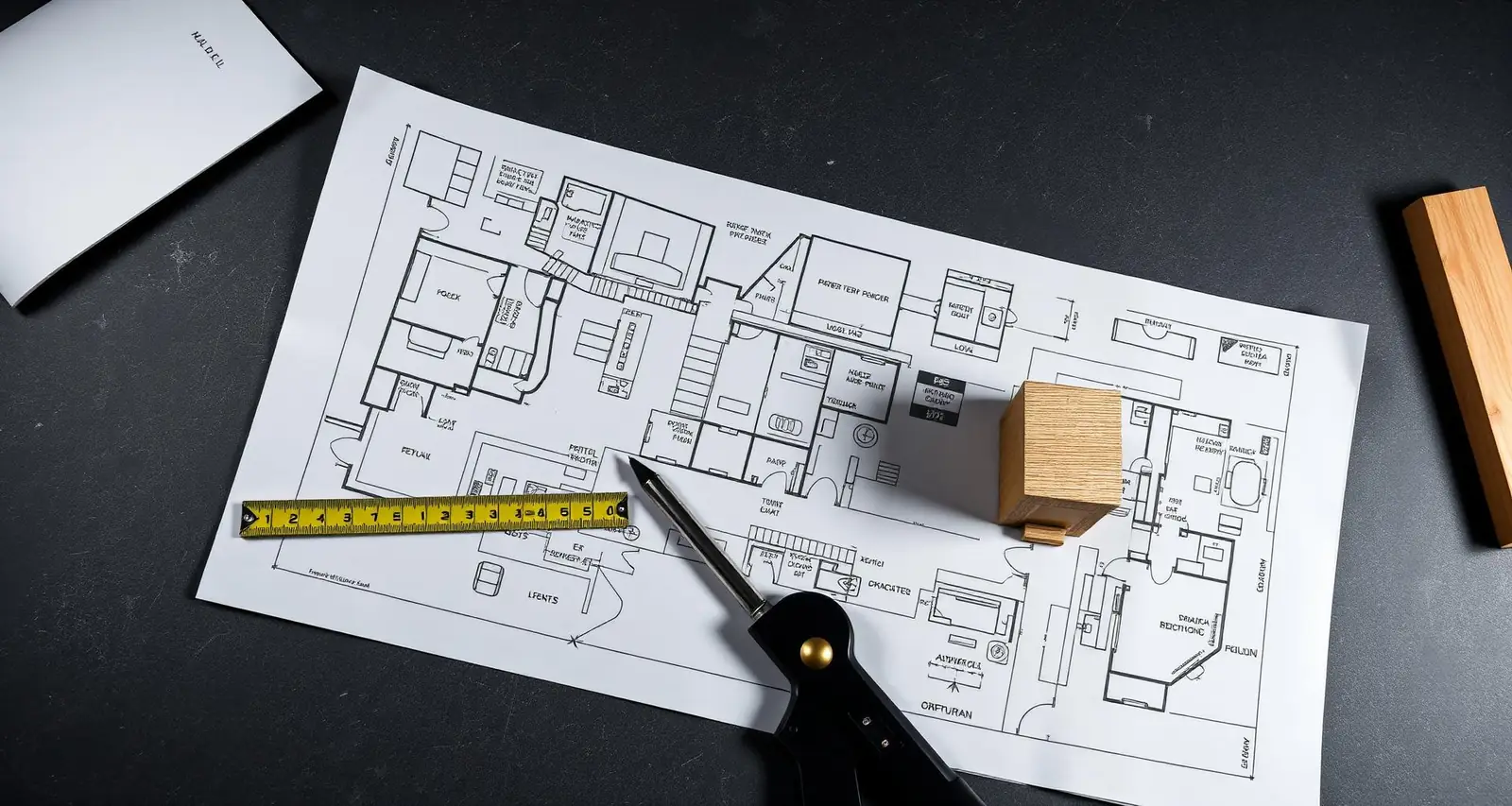
What 'aging in place' actually requires
AARP's Livable Communities work documents the physical features that let people stay safely in their homes as they age: zero-step entry, lever hardware, 36-inch doorways, 5-foot turning radius in primary spaces, blocked walls for future grab bars, and a barrier-free shower.
These are also the features adult children most commonly ask for when planning a multigenerational ADU.
Sources:AARPAARP Public Policy Institute
ADA-influenced details
Bathrooms designed to ADA standards even when not strictly required. Counter heights at 32 inches in part of the kitchen. Cabinets with full-extension drawers instead of pull-out shelves. Lighting at 50+ foot-candles in task areas.
The 2010 ADA Standards for Accessible Design are a good design reference even on private dwellings not legally bound by them.
Sources:U.S. Department of Justice
Cost premium
Building an aging-in-place ADU adds roughly 6–10% over a comparable code-minimum DADU. That premium effectively disappears if the alternative would be a senior-living facility — current Seattle assisted-living averages $7,500/month.


