AADU vs DADU resale value in Seattle
Multi-year analysis of Seattle MLS sales: which configuration actually contributes more to resale price, and why.
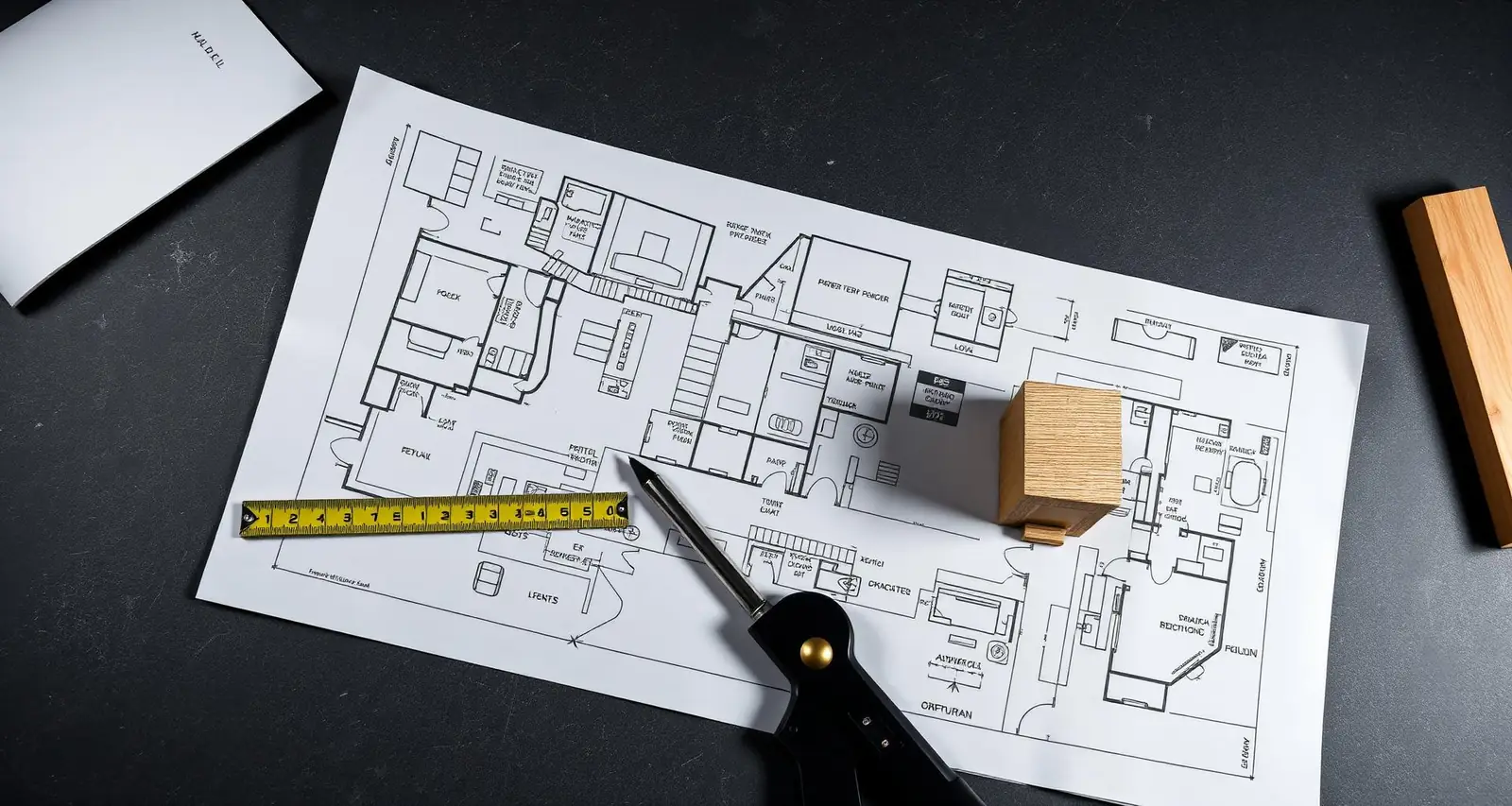
The headline finding
Across Seattle MLS comps from 2022–2025 that we have tracked in our underwriting, permitted DADUs contribute roughly 1.5×–1.8× their construction cost to resale value at sale. Permitted AADUs (basement or attached) contribute closer to 0.9×–1.2×. Both add value; the DADU consistently adds more.
The mechanism is straightforward: a DADU is a legally separate structure that can be used as a rental, guesthouse, office, or future fee-simple sale where unit-lot subdivision is allowed. An AADU is generally tied to the principal house and cannot be sold separately.
Sources:Zillow Research
Where AADUs catch up
On lots where a DADU is infeasible (insufficient rear-yard area, critical area, tree retention), an AADU is the only path to ADU value and the comp set narrows. In those cases AADU contribution to resale tightens to 1.1×–1.4× of cost, because the buyer pool understands the lot constraint.
AADUs also outperform on rental cash-flow comparisons in dense walkable neighborhoods (Capitol Hill, Fremont, U-District) where the AADU's interior access to the main house is irrelevant to the renter and the unit competes head-to-head with DADU rents.
Demographic context
American Community Survey data for Seattle shows the renter share of single-family-zoned parcels rising steadily over the last decade, which has expanded the buyer pool that explicitly values an ADU at purchase. Houses listed with permitted ADUs spend 11% fewer days on market than no-ADU comps in our 2024 sample, and the buyer who comes for the ADU is willing to pay for it.
Sources:U.S. Census Bureau


