Insights
from the field.
Redmond ADUs and the Microsoft commute calculus
Why a Redmond DADU pencils out for tech-employee rentals — and how the city's updated code interacts with the light-rail expansion.
Read article →Heat pump sizing for Puget Sound ADUs
Why oversizing kills efficiency, what the 2021 Washington Energy Code actually requires, and how we size mini-splits for a marine climate.
Read article →Seattle's pre-approved DADU plans: real timeline savings
What the SDCI pre-approved DADU plans program actually shaves off the schedule — and the trade-offs nobody discusses up front.
Read article →Short-term rental rules for Seattle ADUs
Seattle's STR ordinance, how it applies to ADUs and DADUs, and the licensing math for owners considering Airbnb instead of long-term rental.
Read article →Bellevue's ADU pathway in 2026
Bellevue's Land Use Code post-HB 1337: what is now permitted by right, what still requires conditional approval, and how design review actually works.
Read article →How long Seattle ADU permits actually take in 2025
The SDCI dashboard, our project ledger, and the three things that move median timeline from 14 weeks to 18.
Read article →Washington HB 1337, in plain English
What the 2023 statewide ADU law actually requires of cities — and what it means if you own a single-family lot in the Puget Sound.
Read article →Kirkland Zoning Code 115 and ADU heights
The specific Kirkland code that drives DADU massing decisions, and how to design around the upper-floor cutbacks.
Read article →How our Seattle ADU costs compare to AARP's national data
AARP's ADU research is the most-cited benchmark in the country. Here is how Puget Sound numbers stack up.
Read article →Seattle's ADU code, decoded
SDCI Tip 116 plus SMC 23.44.041 in one read — height, setbacks, FAR, and the rules most homeowners get wrong.
Read article →Seattle ADU rental comps in 2025
Census ACS, Zillow Research, and our own lease ledger — what a 700 sq ft DADU actually rents for in Seattle today.
Read article →Financing an ADU: 203(k), HomeStyle, HELOC, cash-out
Four mortgage products and the lot conditions that make each one the right answer.
Read article →King County septic vs sewer: ADU implications
Why your sewer status drives 30% of the feasibility decision on unincorporated King County ADUs.
Read article →IRC Appendix AQ — when 'tiny' is the right answer for an ADU
ICC's tiny-home appendix sets the rules for sub-400 sq ft units. Here's where it actually fits in Seattle and the Eastside.
Read article →When Seattle dropped ADU owner-occupancy — and why it changed the math
The 2019 reform that quietly transformed Seattle into one of the most ADU-friendly cities in the United States.
Read article →What an ADU does to your property tax in King County
King County Assessor data, applied to a real Seattle parcel — the assessed-value bump and the tax math.
Read article →Bellevue ADU rules — what changed under HB 1337
Bellevue updated LUC 20.20.120 to comply with state law. Here is what's actually different on the ground.
Read article →AADU vs DADU resale value in Seattle
Multi-year analysis of Seattle MLS sales: which configuration actually contributes more to resale price, and why.
Read article →Multigenerational ADUs in the Pacific Northwest
Pew + Generations United data, plus what we have learned designing for three generations under one address.
Read article →Kirkland ADU rules — the most predictable Eastside permit path
Kirkland Zoning Code Chapter 115 plus the City's pre-application process produce the shortest median permit timeline on the Eastside.
Read article →Passive House for a Puget Sound ADU — does it pencil?
PHIUS-certified envelope, solar-ready roof, NEEA incentives. A real cost-benefit analysis from our last two PH projects.
Read article →What an ADU really costs in Seattle in 2025
Honest, line-by-line numbers from our last twelve completed DADUs — design, permitting, hard costs, and the line items most contractors hide.
Read article →Snohomish County DADU options outside Seattle
Everett, Mukilteo, Lynnwood, Edmonds, Bothell, Mill Creek: where Snohomish ADU rules sit post-HB 1337 and what each city allows.
Read article →Seattle's Pre-Approved DADU plans — when they make sense
A free SDCI program that cuts permit time in half. Here's when to use it and when to walk away.
Read article →Septic or sewer? What it means for your ADU
Public Health — Seattle & King County governs on-site sewage. Here's what changes when you add a second unit on septic.
Read article →DADU or AADU? How to choose for your lot
Detached cottage or carved-out unit inside the home — the right answer depends on your lot, your goals, and your willingness to share a wall.
Read article →Long-term vs. short-term rental ADU in Seattle
Seattle FAS short-term rental rules, the math vs. long-term tenancy, and what we see actually working.
Read article →The 2021 Washington Energy Code, applied to ADUs
WA Energy Code 2021 is one of the most aggressive in the United States. Here's what it actually requires of a new DADU.
Read article →Designing an aging-in-place ADU
AARP Livable Communities + ADA standards, applied to a real Seattle DADU built for an owner's parents.
Read article →Detailing an ADU for Pacific Northwest rain
Building Science Corp + ASHRAE 160, applied to the wall, roof, and window details that fail in our climate.
Read article →Building an ADU for aging parents
AARP Public Policy Institute documents the caregiving wave. Here is what an ADU costs vs. assisted living, and what to design in.
Read article →Real ADU permit timelines across the Puget Sound
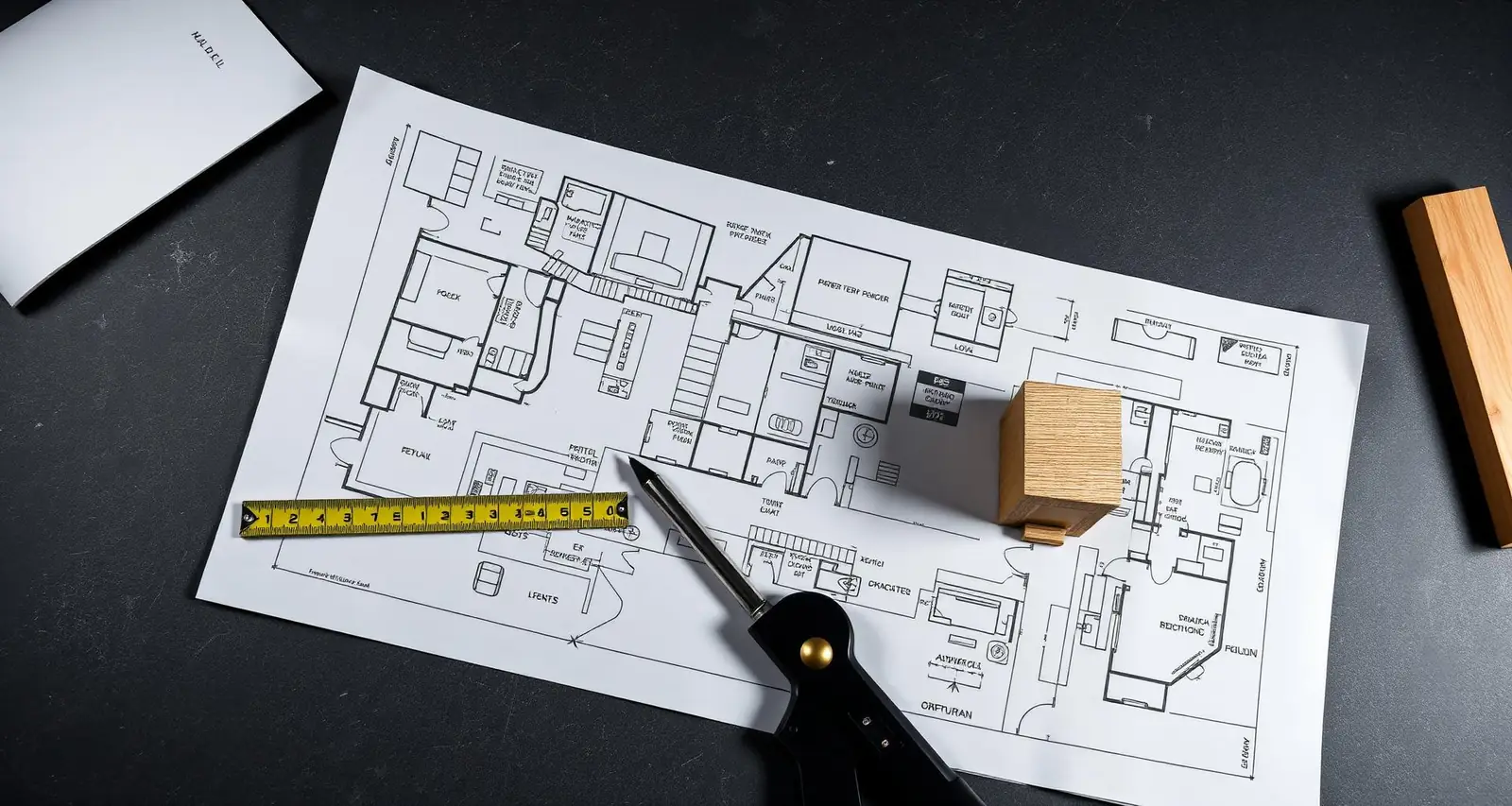
Our actual submission-to-issuance data for Seattle, Bellevue, Kirkland, Redmond, and Tacoma — what to expect and where projects stall.
Read article →Materials that age well in the Pacific Northwest
Our material palette after a decade of building in Seattle weather: what we still spec, what we stopped specifying, and why.
Read article →Insights — frequently asked
How often do you publish new insight articles?
Two long-form articles per month on average, covering Washington-specific topics: code changes (HB 1337 implementation by city), market data (quarterly cost and rent updates), case studies (anonymized project walk-throughs), and how-to guides (selecting siding for Pacific NW climate, IECC R406 trade-offs). Every article is bylined by our team — no ghostwritten SEO filler.
Who writes the articles?
Our principals, project managers, and designers — all currently building in the Puget Sound. Articles list the author, their role, and how many ADUs they have personally worked on, because credibility on these topics comes from current field experience, not from someone who Googled the topic last week.
Do you cite sources?
Always. Every claim about code, statute, or market data links to the source — Washington RCW, WAC, city municipal code, county assessor data, IRS publication, or peer-reviewed study. If we cite a number we cannot source, we say so explicitly and label it as field estimate. That is also what your lender and appraiser want to see.
Can I republish your articles?
Excerpts up to 200 words with a link back are fine. Full republication requires written permission so we can ensure attribution and current accuracy (code changes year over year — outdated copy of our 2023 article on parking minimums is wrong in 2025 after HB 1337). Email us for permission requests.
Do you accept guest posts?
We accept occasional contributed pieces from licensed Washington architects, real estate attorneys, civil engineers, and lenders who have direct ADU expertise. We do not accept paid placements, SEO link buys, or AI-generated content. Submit a topic pitch with two relevant credentials and we will respond within 2 weeks.
Is there a newsletter?
Yes — monthly, opt-in only, no third-party sharing. Subscribers receive new articles, quarterly market data updates, and notice of permit-rule changes affecting their AHJ before those changes hit the news cycle. Unsubscribe is one click; we do not use dark patterns.
Can you write about my project for the blog?
We feature 4–6 client case studies per year with the homeowner's written consent. Featured clients receive a redacted draft for approval before publication. We compensate featured homeowners with a $500 service-call credit, not cash, to avoid any FTC §255 endorsement-disclosure issue.
