The 2021 Washington Energy Code, applied to ADUs
WA Energy Code 2021 is one of the most aggressive in the United States. Here's what it actually requires of a new DADU.
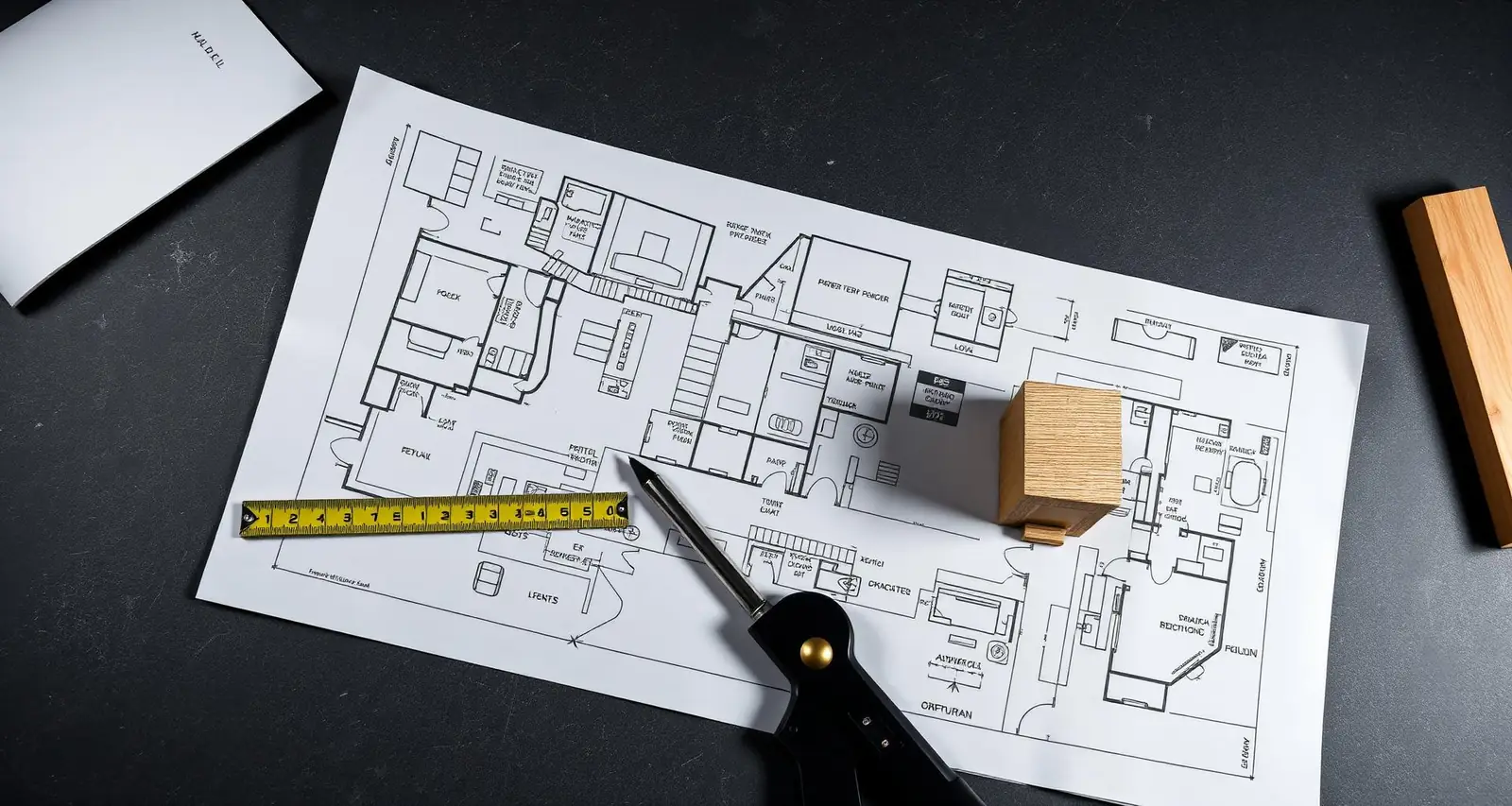
Envelope requirements
Walls: R-21 cavity insulation plus R-5 continuous exterior, or equivalent assembly U-factor. Roof: R-49 with R-38 alternative for advanced framing. Slab: R-10 perimeter, four feet deep. Windows: U-0.30 maximum, SHGC unrestricted in our climate zone.
These are minimums. PHIUS-tier and Passive House projects target far better performance and qualify for utility incentives via NEEA programs.
Mechanical and HVAC
All-electric: heat pump for space heating and cooling, heat-pump water heater. Mechanical ventilation required (HRV or ERV preferred over exhaust-only). Duct systems if used must be inside the conditioned envelope.
Natural gas service additions face additional credit requirements under the code's option-credit table — most Seattle DADUs we build today are all-electric for this reason alone.
Air sealing and testing
Whole-building blower-door test required at completion: 4 ACH50 minimum, with most builds targeting 2.0–3.0 to meet the code's option-credit pathway. Duct leakage test required if any ducts are outside the envelope.
Plan for the test; it is not optional and a failed result will not pass final inspection.


